
How Silicon Valley Startups Are Disrupting the Defense Industry
A quiet revolution is underway in the defense industry. Military procurement has long been dominated by a handful of legacy contractors: Boeing®, Lockheed Martin®, Raytheon®, Northrop Grumman®, and General Dynamics®. For decades, their cost-plus models and multi-year development cycles defined the pace and structure of innovation, but today, a new generation of venture-backed start-ups is challenging that paradigm. Companies like Anduril Industries™ and Palantir Technologies® are bringing Silicon Valley’s speed, agility, and product-first mindset to the national security sector.
These firms are not just winning contracts, they’re reshaping how defense platforms are conceived, built, and deployed. Their success has created new opportunities for suppliers of Mil Spec connectors and Commercial Off-The-Shelf (COTS) power components to support fast-turn, modular systems designed for battlefield readiness.
Breaking the Mold: Anduril and Palantir
Anduril, founded by Palmer Luckey after his departure from Meta, exemplifies the shift toward agile defense innovation. Anduril’s autonomous systems, including surveillance towers, drone interceptors, and AI-powered software, are built with a focus on product delivery rather than cost-plus contracting. The company’s flagship operating system, Lattice™, integrates sensor data and autonomous decision-making across platforms, enabling real-time battlefield awareness.
Palantir, led by CEO Alex Karp, was an early pioneer in bringing AI and big data analytics to defense. Its platforms, Gotham®, Foundry®, and TITAN™, are used by military and intelligence agencies to fuse data from disparate sources, generate actionable insights, and support mission-critical decisions. Palantir’s success in securing major defense programs underscores the growing demand for software-centric solutions that can adapt to dynamic threats.
Both companies have won contracts that would have traditionally gone to legacy contractors, signaling a broader shift in how the Department of Defense evaluates innovation, speed, and delivery.
Project Spotlight: Roadrunner vs. Coyote and Leonidas vs. Raytheon
Roadrunner vs. Coyote
In the evolving battle against aerial threats, Anduril’s Roadrunner-M has emerged as a standout example of how venture-backed innovation is challenging legacy defense systems. Designed as a turbojet-powered, loitering interceptor, Roadrunner-M is engineered to neutralize enemy UAVs and cruise missiles, a growing concern across modern battlefields and naval operations.
Roadrunner competes directly with Raytheon’s Coyote® Block 2, a well-established counter-UAS platform first developed by the US Army and now deployed aboard U.S. Navy destroyers and aircraft carriers. While both systems serve similar tactical roles, their design philosophies diverge sharply. Raytheon’s Coyote is a single-use missile system, optimized for rapid deployment but limited by its expendable nature. In contrast, Roadrunner-M offers a reusable, autonomous alternative that reflects Anduril’s product-first approach to defense technology.
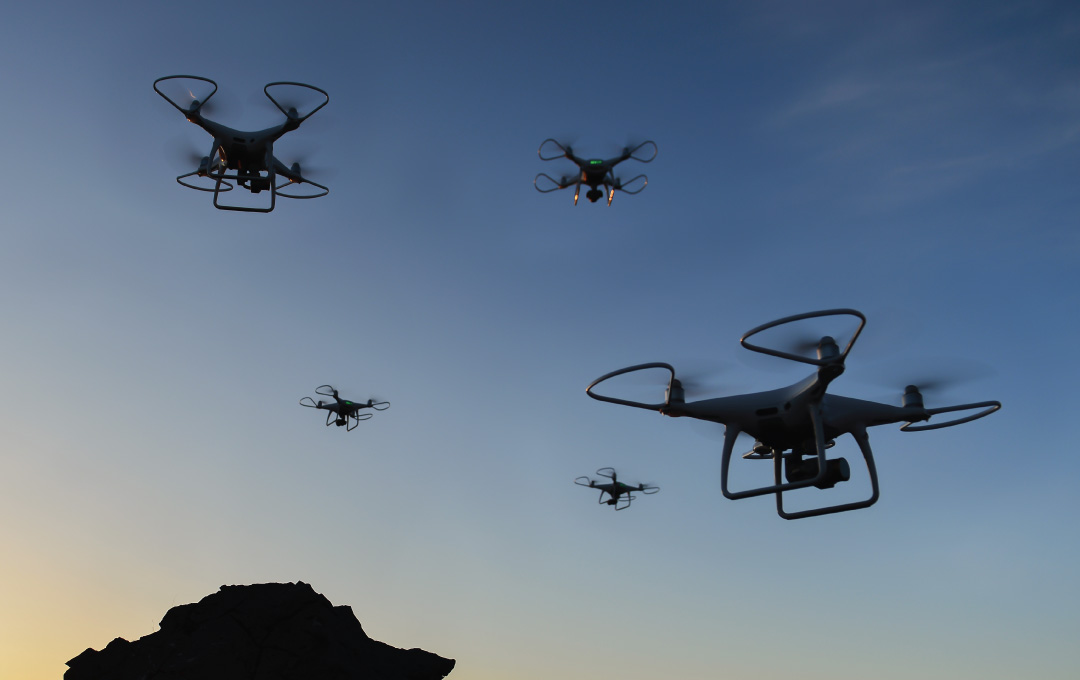
What sets Roadrunner apart is its ability to loiter in operational airspace, autonomously identify and intercept targets, and then return to base for refueling and redeployment. Its standout capabilities include:
- Autonomous interception and loitering: Roadrunner detects and engages UAVs independently while maintaining persistent airspace coverage.
- Reusable deployment: Unlike single-use missile systems. Roadrunner-M is capable of returning to base, refueling, and relaunching for multiple missions,
- Cost-effective performance: The system offers scalable defense with lower lifecycle costs and greater tactical flexibility.
By focusing on modular design and rapid deployment, Anduril has created a platform that aligns with the needs of modern naval operations. where flexibility and speed are often paramount.
Leonidas vs. Raytheon Microwave Systems
While Anduril is redefining aerial interception, Epirus™ is transforming the landscape of directed energy weapons. Based in Los Angeles, Epirus has developed Leonidas™, a High-Power Microwave (HPM) system designed to disable drone swarms using concentrated electromagnetic pulses. This technology represents a leap forward in counter-UAS defense, offering a scalable, non-kinetic solution to one of the most pressing challenges of modern warfare.
Leonidas competes with Raytheon’s microwave-based counter-UAS systems, which have long been considered state-of-the-art in electronic warfare. However, Epirus’s approach introduces several key innovations that position Leonidas as a formidable alternative. Core capabilities include:
- Wide-area EMP coverage: Leonidas emits powerful electromagnetic pulses that can neutralize multiple UAVs simultaneously across a broad engagement zone, making it highly effective against saturation attacks.
- Mobile deployment via autonomous ground vehicles: Unlike fixed installations, Leonidas can be mounted on mobile platforms, allowing rapid repositioning and flexible deployment in contested or remote environments.
- One-to-many defense against drone swarms: Leonidas’ ability to engage entire swarms with a single pulse provides scalable protection against low-cost, high-volume threats, while minimizing collateral damage to surrounding infrastructure.
Leonidas reflects the growing importance of directed energy weapons in modern warfare, particularly as drone saturation becomes a more common threat. Its compact form factor and mobile deployment capabilities make it ideal for forward-operating bases and urban defense scenarios.
Emerging Defense Startups: Who They Are and Where They Operate
Beyond Anduril and Palantir, a growing ecosystem of venture-backed defense firms is reshaping national security. These companies are typically valued under $2 billion and operate near innovation hubs like El Segundo, Austin, and Washington, DC. Many founders have SpaceX experience, bringing a culture of cost control, vertical integration, and rapid iteration.
| Company | HQ Location | Focus Area | Valuation | Notable Investors | Flagship Tech |
| Palantir® | Palo Alto, CA | AI-driven data analytics | $369B+ | Founders Fund, Peter Thiel | Gotham®, Foundry®, TITAN™ battlefield AI |
| Anduril™ | Costa Mesa, CA | Autonomous systems, AI surveillance | $30B+ | Founders Fund, Andreessen Horowitz | Roadrunner drone, Lattice OS |
| Epirus™ | Los Angeles, CA | Directed energy weapons | $5B+ | T. Rowe Price, Bedrock | Leonidas™ anti-drone microwave system |
| Helsing™ | Munich, Germany | Military AI software | $3.8B+ | Accel, General Catalyst | Battlefield AI |
| Shield AI™ | San Diego, CA | AI pilots for drones | $2.5B | Andreessen Horowitz, Snowpoint | Hivemind™ autonomous flight system |
| Skydio® | Redwood City, CA | Autonomous drones | $1.5B | Andreessen Horowitz, Linse Capital | X10 drone |
| Tekever® | Lisbon, Portugal | AI-driven UAVs and surveillance | $1.3B | Baillie Gifford, NATO Innovation Fund | AR3 drone, surveillance-as-a-service |
| Saronic™ | Austin, TX | Autonomous naval vessels | $1B | a16z, Caffeinated Capital | AI-powered naval platforms |
| Rebellion Defense® | Washington, DC | AI software for mission planning | $500M+ | Insight Partners, Bond Capital | AI mission planning and simulation |
These firms share several characteristics: lean organizational structures, rapid decision-making, and a preference for COTS components that enable fast prototyping and deployment. Their founders often come from engineering backgrounds and prioritize vertical integration to reduce reliance on external suppliers.
COTS Components and AI Software: The New Standard
One of the defining characteristics of this new defense ecosystem is its embrace of COTS components. Unlike traditional contractors, which often rely on custom parts and long procurement cycles, start-ups prioritize hardware that is readily available, modular, and easy to integrate.
This shift is especially pronounced in AI-driven platforms, which require rugged, scalable hardware that can support high-speed data processing, edge computing, and autonomous decision-making. Mil Spec connectors and power supplies must meet stringent environmental and electrical standards while also being easy to source and deploy.
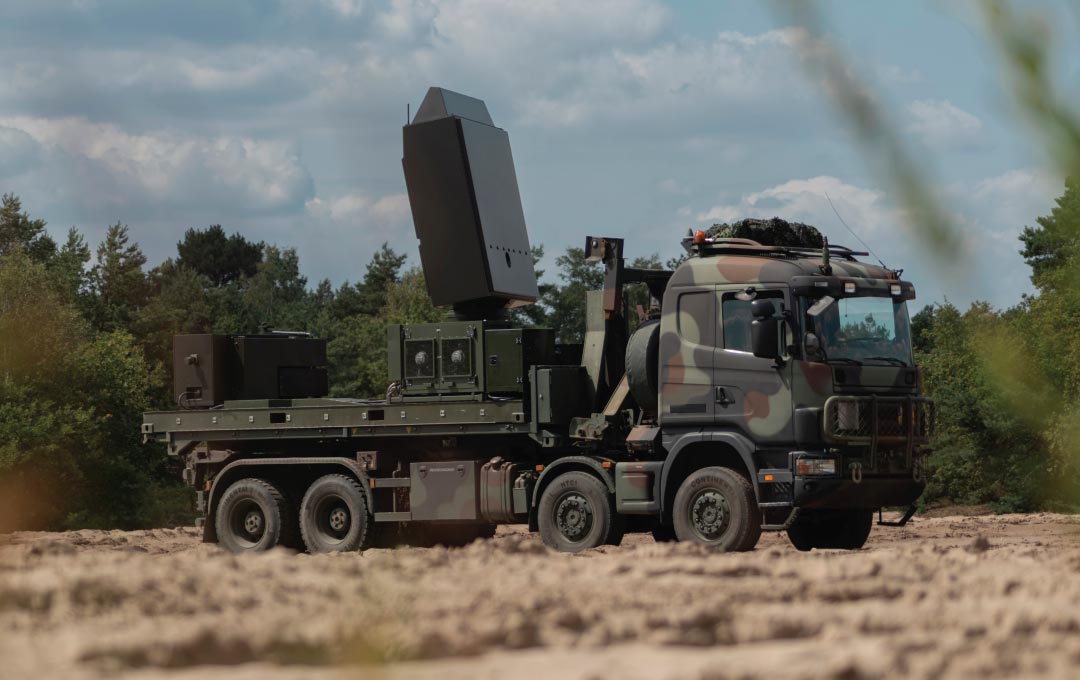
For suppliers, this means performance alone is no longer enough; products must be designed for rapid integration, with clear documentation, plug-and-play compatibility, and support for modular architectures. Lead times must be short, and technical support must be responsive. In this environment, the ability to move quickly and collaborate closely with engineering teams is a distinct competitive advantage.
How Suppliers Can Support Agile Defense Innovators
To align with the needs of fast-moving defense integrators, suppliers should adopt a support model that reflects the pace and priorities of these start-ups. Key strategies include:
- Prioritize speed and simplicity: Deliver Mil Spec components with short lead times or on-hand availability. Stock should be positioned at distributors to minimize delays, with clear documentation and plug and play compatibility so engineering teams can integrate components without friction.
- Offer modular, rugged solutions: Support scalable platforms with interoperable hardware designed to meet demanding specifications. Rugged, modular systems allow innovators to adapt and expand without costly redesigns.
- Be responsive and collaborative: Agile teams value suppliers who act as partners, providing rapid technical support, integration guidance, and troubleshooting. Responsiveness builds trust and accelerates iteration.
- Leverage distribution expertise: Many start-ups are limited in their knowledge of components and rely heavily on distribution Field Application Engineers (FAEs). Suppliers who provide technical guidance and hands-on support extend their reach and ensure innovators can make informed design choices.
Suppliers who can adapt to this model will be well-positioned to become strategic partners in the development of next-gen defense technologies.
Redefining Readiness for the Modern Battlefield
The rise of venture-backed defense firms marks a fundamental shift in how military technology is developed and delivered. Speed, flexibility, and commercial readiness are now the hallmarks of successful defense platforms. For suppliers, this means adapting to a new set of expectations and aligning with customers who prioritize agility over tradition.
Warfare has changed, and the companies best positioned to adapt are those that can move quickly, iterate rapidly, and deliver reliable products under pressure. Start-ups like Anduril and Palantir are leading the way, but they are not alone. A growing ecosystem of innovators is redefining what it means to build for the modern battlefield.
Supplying the Next Generation of Defense Innovation
The defense industry is undergoing a transformation. Venture-backed start-ups are proving that lean, agile models can deliver mission-critical technologies faster and more efficiently than traditional contractors. For suppliers of Mil Spec connectors and COTS power components, this shift presents a major opportunity.
By aligning with the needs of these innovators, offering short lead times, flexible integration, and spec-compliant products, suppliers can become essential partners in the future of military technology. Cinch is committed to supporting this evolution with a portfolio designed for rapid deployment, rugged performance, and seamless integration into next-gen defense platforms.
Trademark Disclaimer
All product names, logos, and brands are property of their respective owners. All company, product, and service names used in this document are for identification purposes only. Use of these names, logos, and brands does not imply endorsement.
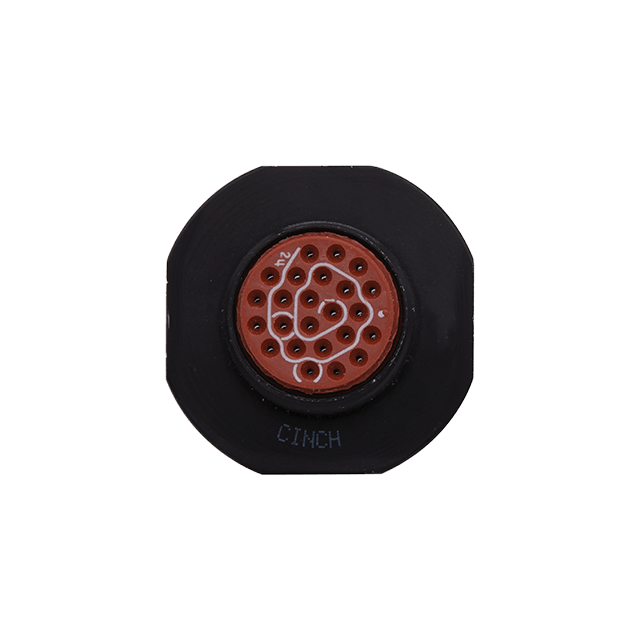 Mil/Aero Circular Connectors
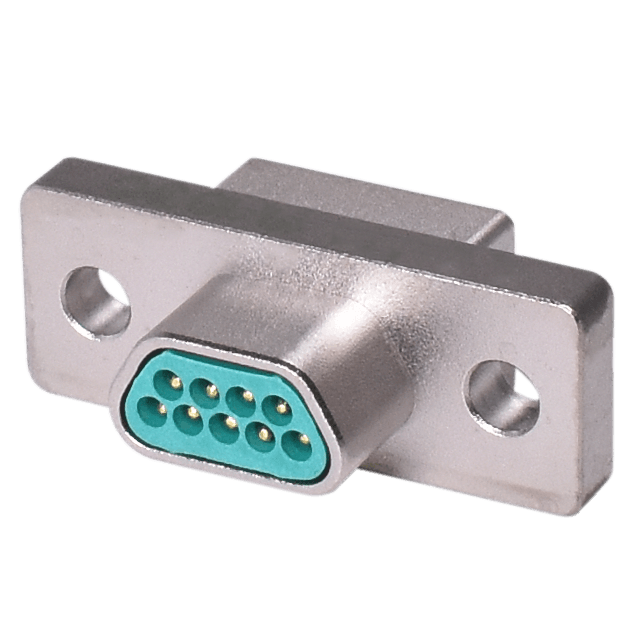 83513 Dura-Con™ Micro D-Subs
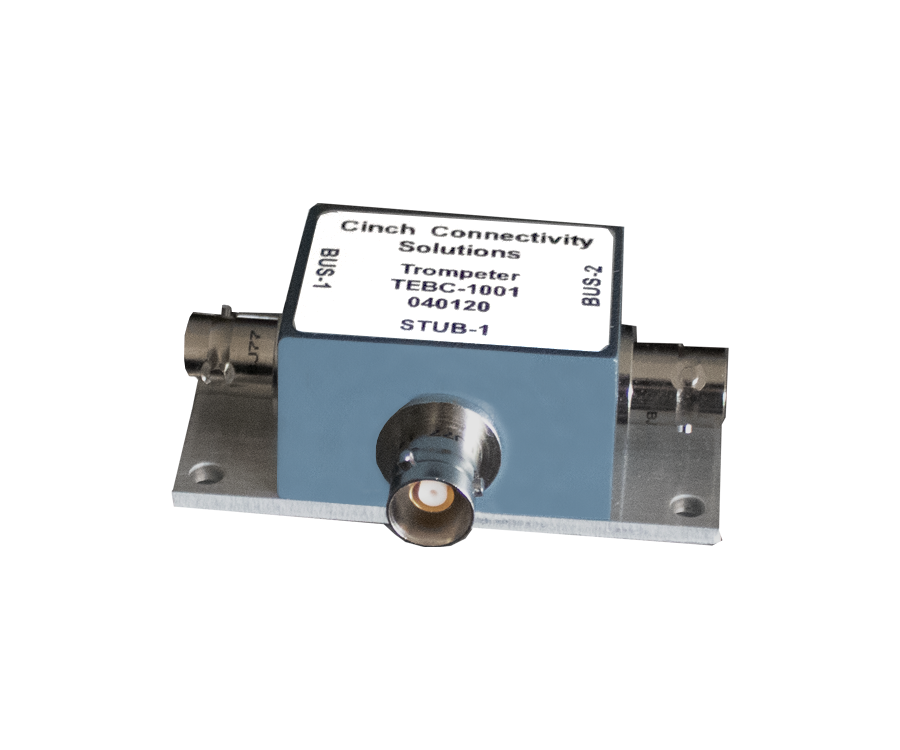 Trompeter Bus Couplers